International Semi Truck: Showroom Design, Features, and Buying Guide
Heavy-duty semi trucks play an important role in freight transportation, logistics, construction, and long-distance hauling. With their distinctive styling, powerful-looking front ends, large wheels, and spacious cab designs, these vehicles are built around the demands of commercial transport.
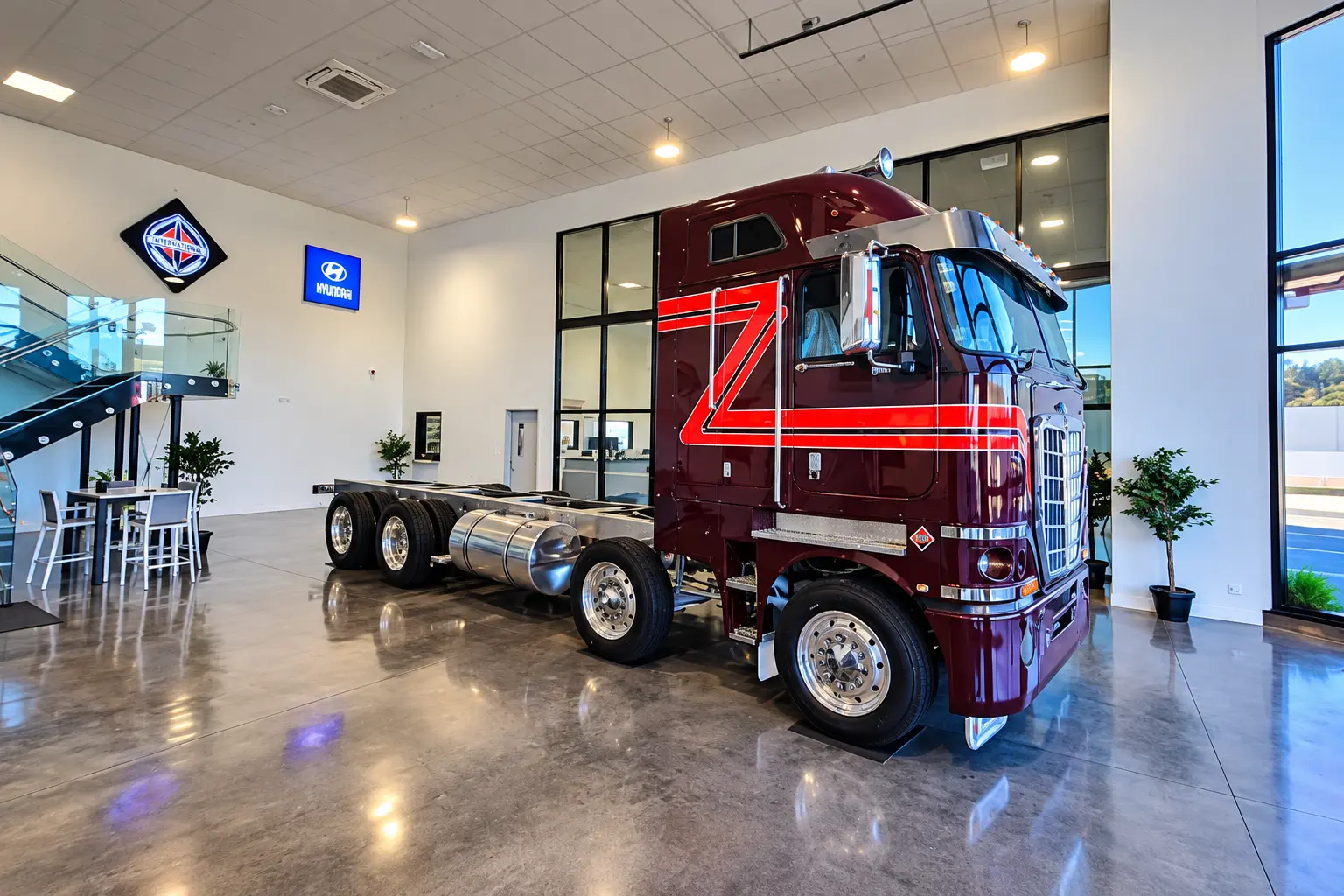
This showroom feature highlights a burgundy International-style semi truck displayed in a modern indoor setting. Its polished exterior, chrome details, sleeper-cab design, and multi-axle configuration make it an interesting example of heavy-duty truck styling.
Whether you are researching commercial vehicles, comparing truck designs, or learning what to inspect before buying a semi truck, understanding the main features can help you make a more informed decision.
What Makes a Heavy-Duty Semi Truck Stand Out?
A heavy-duty semi truck is designed to pull a trailer and transport cargo over a range of distances and road conditions. The right configuration depends on the intended work, the trailer, the cargo weight, and local regulations.
International offers several truck families for different commercial applications, including the LT and RH heavy-duty series and the HX and HV severe-duty series. Each model has its own intended uses and available configurations.
For official model information, visit the International Trucks official website.
Exterior Design and Styling
The burgundy finish gives this showroom truck a distinctive appearance. Its bold front grille, sculpted body panels, large mirrors, and chrome accents create a strong visual presence.
Exterior features buyers commonly compare include:
Front grille design and headlight condition
Paint quality and signs of rust or previous repairs
Mirrors, windows, and exterior lighting
Steps, handholds, and access points
Wheel condition and tire wear
Fuel tanks, chassis components, and visible connections
Appearance is important, but a clean exterior does not guarantee that a truck is mechanically sound. A thorough inspection and vehicle history review are essential before purchasing a used commercial vehicle.
Sleeper Cab and Driver Comfort
Sleeper-cab trucks provide space for drivers to rest during eligible long-distance operations. Depending on the specific model and configuration, a sleeper may offer a bunk, storage space, interior lighting, and additional comfort features.
When evaluating a sleeper cab, check the condition of the mattress or bunk area, interior trim, ventilation, climate controls, door seals, and available storage. Drivers should also consider cab access, visibility, seating comfort, and the overall layout.
Available features vary by truck model, year, trim, and equipment package. Review the manufacturer's specifications for the exact vehicle rather than assuming every truck includes the same equipment.
Wheels, Axles, and Chassis
Heavy-duty trucks use different axle and chassis configurations to suit their operating requirements. The correct setup depends on the vehicle's design, intended load, trailer combination, and applicable road rules.
When inspecting a truck, look for uneven tire wear, damaged rims, air leaks, corrosion, fluid leaks, and visible chassis damage. Brakes, suspension components, steering systems, and wheel bearings should be checked by a qualified technician.
Never rely on a photograph alone to assess the condition of these components. Request a professional inspection and relevant maintenance records before making a purchase.
Engine output and transmission options differ between International truck series and model years. Buyers should confirm the exact powertrain fitted to the individual vehicle and compare it with their intended operating requirements.
Important details to verify include:
Engine make, model, and rated output
Transmission type and gear configuration
Axle ratio and drivetrain layout
Odometer reading and service history
Emissions equipment and diagnostic records
Fuel consumption information from reliable operating records
For example, the official International LT Series specifications describe available powertrain and configuration options. These specifications apply to the relevant LT models and should not be assumed to describe every International truck.
What to Check Before Buying a Used Semi Truck
Buying a commercial truck requires more than comparing its appearance and asking price. Use the following checklist to help assess a potential purchase.
Verify the Vehicle Identity
Confirm the manufacturer, model, model year, vehicle identification number (VIN), registration documents, and ownership history. Make sure the details match the truck and the seller's paperwork.
Review Maintenance and Repair Records
Ask for service records, repair invoices, inspection reports, and information about any major component replacements. A documented maintenance history can help you understand how the vehicle has been cared for.
Arrange a Professional Inspection
Have a qualified heavy-vehicle mechanic inspect the engine, transmission, brakes, steering, suspension, tires, chassis, and electrical systems. Any warning lights or unusual noises should be investigated before purchase.
Confirm Operating Costs
Consider fuel consumption, insurance, maintenance, replacement parts, financing, registration, and any required permits. A truck that appears affordable initially may have higher ongoing costs depending on its condition and intended use.
Check Legal and Commercial Requirements
Confirm that the vehicle's weight ratings, dimensions, registration, and configuration meet the requirements where it will operate. Rules can differ by country, region, route, and cargo type.
Why Research Commercial Trucks Carefully?
A well-informed buying decision starts with verified vehicle details. Comparing specifications, inspecting the actual truck, and reviewing its service history can help buyers identify whether a vehicle fits their transport needs.
Kazoomotors readers should always verify the availability, price, model year, condition, and specifications of any particular vehicle directly with the relevant seller. The showroom image accompanying this article is illustrative and does not confirm that the pictured truck is an actual vehicle available for sale.
Frequently Asked Questions
What is a semi truck used for?
A semi truck is generally used to pull a compatible trailer for freight transport, logistics, and other commercial applications. Its suitability depends on the truck and trailer configuration and the type of cargo being transported.
What is the difference between a day cab and a sleeper cab?
A day cab is designed primarily for operations where the driver returns to a separate resting location. A sleeper cab includes a designated resting area for certain long-distance operations. The available space and features vary by model.
How can I check the exact specifications of an International truck?
Identify the model and model year, then consult the official manufacturer specifications and the vehicle's documentation. Confirm the installed engine, transmission, axle configuration, and equipment on the actual truck.
What should I inspect before buying a used semi truck?
Check its identity documents, service history, tires, brakes, chassis, engine, transmission, and electrical systems. Arrange an inspection by a qualified heavy-vehicle mechanic before committing to the purchase.
Does a showroom appearance guarantee good condition?
No. A polished exterior and clean showroom presentation do not establish the mechanical condition, service history, or roadworthiness of a vehicle. Those details require independent verification.
Final Thoughts
Heavy-duty semi trucks are important assets in commercial transportation, and choosing the right one requires careful research. Exterior design, cab comfort, drivetrain specifications, maintenance records, and operating costs should all be considered before a purchase.
Use manufacturer resources to confirm technical details, inspect the individual vehicle thoroughly, and compare its configuration with your transport requirements. These steps can help buyers make a more confident and informed commercial vehicle decision.