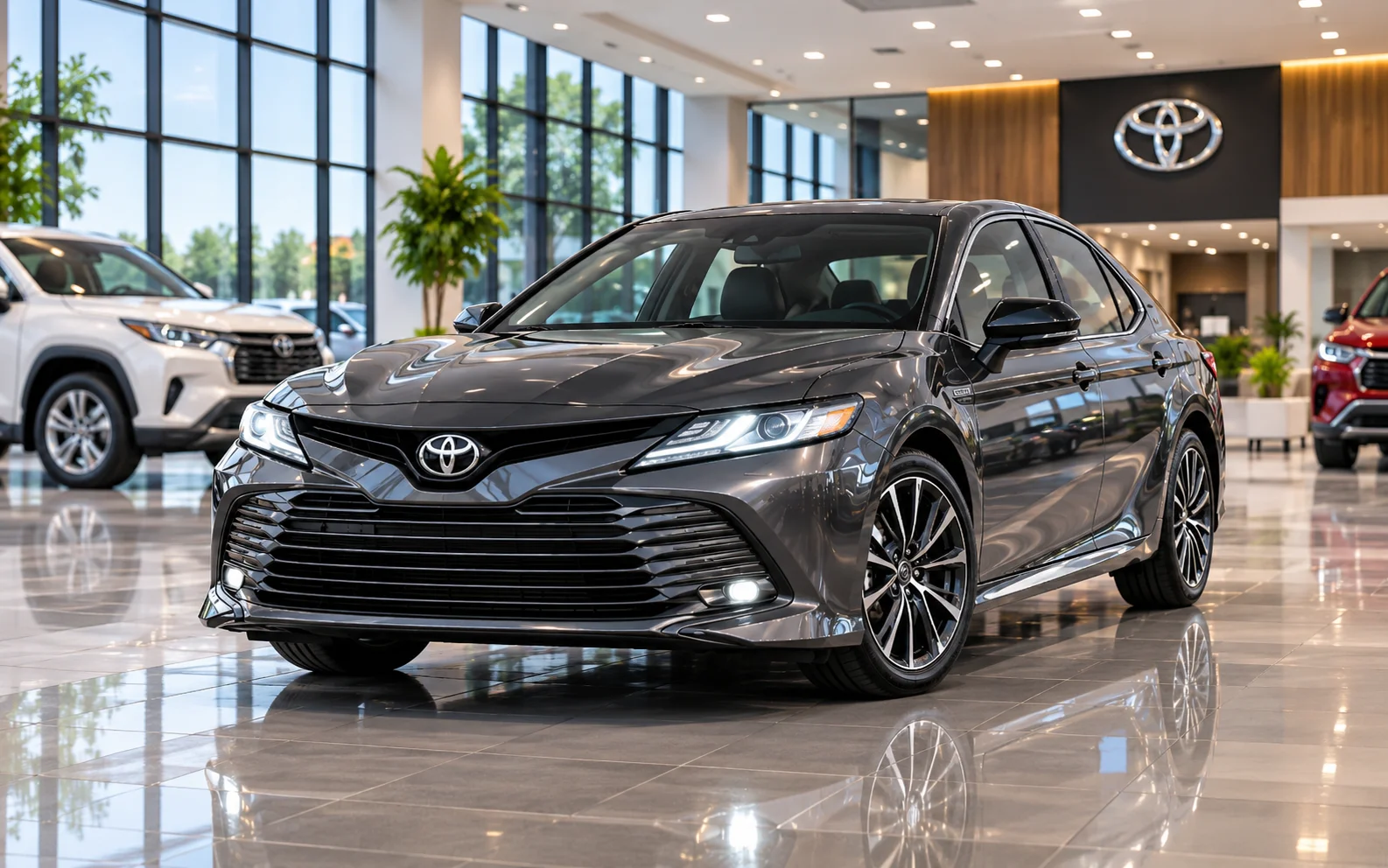
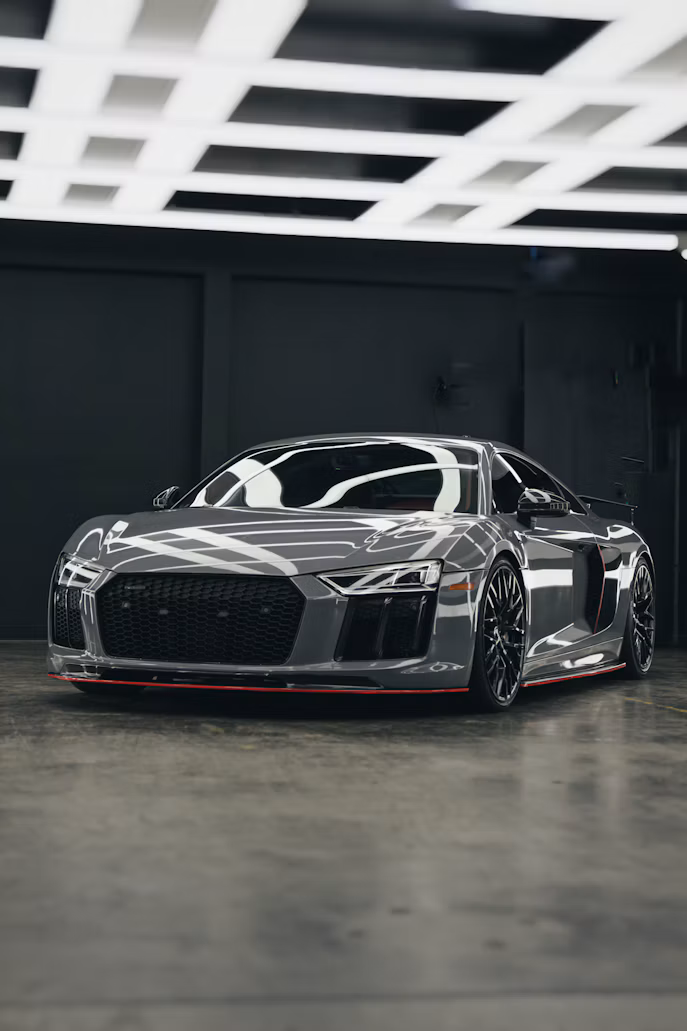
Hybrid vs Petrol Luxury Cars 2026: Which Is Better?
Compare hybrid vs petrol luxury cars in 2026. Discover fuel economy, performance, battery health, maintenance costs and resale factors to choose the right premium vehicle with KOZAN Motors.

Compare hybrid vs petrol luxury cars in 2026. Discover fuel economy, performance, battery health, maintenance costs and resale factors to choose the right premium vehicle with KOZAN Motors.
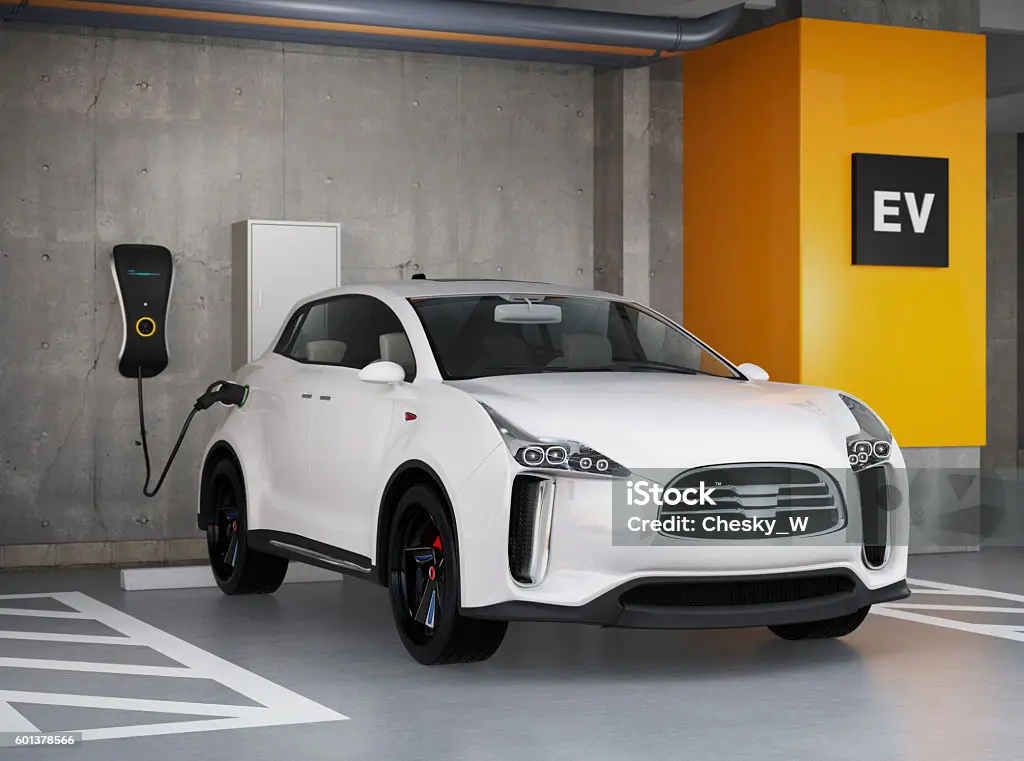
Choosing between hybrid and petrol luxury cars has become an important decision for premium vehicle buyers in 2026. Both options can provide comfortable interiors, advanced technology and strong driving performance, but their ownership experiences can differ considerably.
Hybrid technology uses an electric motor alongside a combustion engine to improve efficiency or performance, depending on the vehicle's design. A conventional petrol car relies on its combustion engine for propulsion.
In this Hybrid vs Petrol Luxury Cars 2026 guide, KOZAN Motors compares fuel economy, driving experience, battery health, servicing, ownership expenses and long-term practicality.
We also explain the differences between mild hybrids, full hybrids and plug-in hybrids, helping buyers understand why not every vehicle advertised as a hybrid works in the same way.
Important: This article is a general buying guide, not a claim that one powertrain is best in every vehicle. Prices, specifications, fuel efficiency, warranties and vehicle availability depend on model, market and individual condition.
A conventional petrol vehicle uses a combustion engine to generate power.
A hybrid vehicle combines a combustion engine with one or more electric motors and an energy-storage battery.
The precise relationship between these components varies by hybrid type.
Premium vehicle buyers often want to balance:
Fuel costs
Smooth driving
Acceleration
Maintenance requirements
Reliability
Long-distance practicality
Purchase price
Resale value
The best decision depends on how the car will actually be used.
A petrol luxury car uses an internal combustion engine to provide the vehicle's driving power.
Different engine designs may include turbocharging, multiple cylinders and advanced electronic engine management.
Familiar refuelling arrangements
Wide range of vehicle models
Established mechanical servicing practices
No separate high-voltage traction battery in a conventional petrol-only model
Straightforward ownership planning where petrol servicing is readily available
Petrol consumption can be significant in large, powerful or heavy luxury vehicles.
Stop-start traffic may reduce efficiency, particularly when a vehicle spends long periods idling.
Petrol models can be suitable for buyers who value familiar refuelling access and whose chosen vehicle offers good local maintenance support.
A full hybrid uses a petrol engine together with an electric motor and traction battery.
Depending on the design, it can sometimes move using electricity alone for limited periods under suitable conditions.
The powertrain may use the electric motor at lower speeds, support the engine during acceleration and recover some energy when slowing down.
The petrol engine also contributes to propulsion and can help charge the battery.
Improved fuel efficiency in certain driving conditions
Reduced engine idling
Smooth low-speed operation
Regenerative braking
No external charging requirement for conventional full hybrids
Not every hybrid delivers the same efficiency improvement.
Compare official consumption data for specific models rather than assuming the hybrid version always uses less fuel in every situation.
The word hybrid can describe several different powertrain technologies.
A mild hybrid uses an electric system to support the combustion engine.
In typical mild-hybrid designs, the vehicle cannot drive using electric power alone.
A full hybrid has a more substantial electric propulsion system and may operate briefly under electric power alone.
Its battery is charged through the vehicle's own systems, including regenerative braking.
A plug-in hybrid has a battery that can be charged from an external electricity supply.
Some PHEVs can travel meaningful distances using electric propulsion before relying more heavily on the petrol engine.
Mild hybrids may offer modest efficiency benefits.
Full hybrids can be attractive for frequent city travel.
Plug-in hybrids may suit drivers with reliable charging access and journeys that fit the vehicle's electric-driving capability.
The exact result depends on the model and its use.
Fuel consumption is one of the main reasons buyers consider hybrid technology.
The US Department of Energy explains that regenerative braking, electric motor assistance and reduced engine idling can contribute to improved efficiency.
In stop-start traffic, a well-designed full hybrid may use its electric system to reduce unnecessary fuel consumption.
At steady highway speeds, fuel-economy differences can be smaller or larger depending on powertrain design, vehicle weight and aerodynamics.
Real-world fuel use depends on:
Driving style
Traffic conditions
Air-conditioning use
Engine and vehicle size
Tyre condition
Vehicle load
Maintenance
Road gradients
Compare officially published fuel-consumption ratings for the exact models under consideration.
Do not compare a small hybrid sedan against a large performance SUV and attribute every difference to hybrid technology.
Hybrid vehicles are not necessarily slow.
Some manufacturers use electric motors primarily for efficiency, while others use them to improve acceleration and performance.
Conventional petrol engines can provide strong performance, particularly in models designed for dynamic driving.
Electric motors can deliver responsive torque and may complement the petrol engine during acceleration.
Total system output
Vehicle weight
Transmission response
Acceleration
Braking
Ride comfort
Driving modes
The presence of a hybrid system alone does not determine whether a vehicle is faster or more enjoyable to drive.
Luxury car buyers often prioritise a quiet, comfortable cabin.
A well-engineered petrol car can be exceptionally smooth, especially during steady-speed travel.
Some hybrids may operate silently or with reduced engine noise at low speeds.
However, engine restarts and transitions between power sources can feel different across models.
Low-speed smoothness
Engine noise
Transmission behaviour
Acceleration response
Braking feel
Cabin vibration
Air-conditioning performance
Choose the vehicle that feels comfortable during your typical driving conditions.
Hybrid traction batteries are designed for repeated charging and discharging during normal vehicle use.
However, batteries age, and their condition matters when buying a used hybrid.
Age
Heat exposure
Usage history
Battery cooling
Previous repairs
Vehicle storage conditions
Ask a qualified hybrid technician to assess the traction battery and related systems.
Diagnostic information may help, but battery-health evaluation methods vary by model.
Warranty coverage differs by manufacturer and market.
For example, Toyota provides specific hybrid-battery warranty terms for eligible US-market vehicles. These terms should not be assumed to apply to an imported vehicle in Pakistan.
KOZAN Motors Tip: Verify the warranty using the actual vehicle identification number and applicable market documentation.
Hybrid cars still contain many conventional automotive components.
They may require engine oil, filters, tyres, suspension maintenance and other routine servicing.
Possible expenses include:
Engine oil and filters
Cooling-system service
Spark plugs where applicable
Transmission maintenance
Brake components
Engine repairs
A hybrid may require many of the same tasks plus attention to its traction battery, electric drive components and high-voltage systems.
No.
Maintenance expenses depend on the design, manufacturer, age, model, condition and service availability.
Regenerative braking may reduce use of friction brakes under some conditions, but it does not eliminate brake inspection or replacement requirements.
Battery replacement is a common concern among used hybrid buyers.
Costs vary enormously depending on the model, battery design, parts availability and whether appropriate replacement options exist.
Battery type and capacity
Manufacturer
Vehicle generation
Labour
Availability of approved parts
Warranty eligibility
Diagnostic findings
Do not rely on a generic online price for every hybrid.
Ask a qualified workshop for a written quotation based on the exact vehicle.
Hybrid traction batteries can contain dangerous electrical energy.
Never attempt to open, disconnect or repair high-voltage components without appropriate training and equipment.
Regenerative braking captures some of the vehicle's kinetic energy during deceleration and stores it as electrical energy.
The electric motor operates as a generator under suitable conditions.
Instead of losing all braking energy as heat, the vehicle can recover part of it for later use.
No.
Hybrid vehicles still require dependable friction brakes, and their braking systems must be maintained.
Brake-pedal feel can vary between hybrid and conventional petrol vehicles.
A proper test drive helps determine whether the vehicle's braking behaviour feels predictable and comfortable.
Reliability cannot be determined solely by the word hybrid or petrol.
Some vehicles have strong reliability records, while others may suffer from model-specific mechanical or electronic issues.
Vehicle model and generation
Engine and transmission design
Maintenance history
Battery condition
Previous accident damage
Ownership and usage history
Quality of repairs
Investigate reliability information for the exact model and year.
Arrange an independent pre-purchase inspection regardless of powertrain.
Resale value depends on market demand, condition, mileage, maintenance history and buyer preferences.
A well-maintained hybrid with verified battery condition may appeal to buyers interested in fuel efficiency.
However, uncertainty about battery health or parts availability can influence resale demand.
Petrol cars may benefit from familiar servicing arrangements and established market demand.
But large engines and high running costs can affect desirability.
Review comparable listings and, where available, actual transaction information.
Never assume that one powertrain will always depreciate more slowly.
Pakistan-based buyers should consider local conditions before choosing a powertrain.
These may include heavy urban traffic, hot weather, variable road quality and different levels of specialist service support.
Battery health
Local technician expertise
Cooling-system performance
Parts availability
Import specifications
Warranty applicability
Fuel consumption
Engine servicing
Fuel requirements
Parts and workshop availability
Registration and ownership expenses
Check import documents and vehicle identification information.
Confirm that any hybrid-specific software, diagnostics and parts can be supported locally.
For vehicles registered in Punjab, consult the Punjab Excise & Taxation Department.
For Sindh-registered vehicles, use the Sindh Excise Vehicle Verification service.
Other jurisdictions have their own official procedures.
A purchase decision should include more than the sticker price.
Purchase price
Registration and transfer charges
Applicable taxes
Fuel
Insurance
Servicing
Tyres and brakes
Potential repairs
Battery-related expenses where applicable
Expected resale value
Use realistic annual mileage and the official or credible consumption estimate for each vehicle.
For example, a driver covering mostly urban journeys may experience a different fuel-cost comparison from someone regularly travelling long distances on highways.
A more expensive hybrid does not necessarily recover its higher purchase price through fuel savings during every ownership period.
Estimate how long you expect to keep the vehicle.
Before buying a pre-owned hybrid vehicle, request a specialist inspection.
Hybrid battery condition
High-voltage system warnings
Battery cooling arrangements
Engine condition
Transmission or power-split system
Brake system
Electrical diagnostics
Accident history
Service records
Registration documentation
Avoid any vehicle with evidence of unsafe, undocumented high-voltage repairs.
Battery or orange high-voltage cable inspection must be carried out only by trained professionals.
Petrol-only vehicles also require thorough evaluation.
Engine oil leaks
Cooling-system condition
Engine warning lights
Transmission operation
Braking
Suspension
Electronic systems
Service history
Accident damage
Ownership documents
The absence of a hybrid battery does not mean a conventional petrol vehicle is free from costly mechanical or electronic risks.
Mild hybrids, full hybrids and plug-in hybrids have different capabilities.
A used hybrid should receive an appropriate battery assessment.
Most hybrids still consume petrol.
Plug-in hybrids may offer their greatest potential efficiency benefit when charged appropriately.
A small hybrid sedan and a heavy petrol SUV are not equivalent comparison vehicles.
Coverage may depend on the country of original sale and manufacturer terms.
A suitable hybrid may appeal to buyers who:
Spend substantial time in city traffic
Want improved fuel efficiency
Appreciate smooth low-speed driving
Have access to qualified hybrid servicing
Can verify used-battery condition
Plan ownership around realistic running costs
A plug-in hybrid requires additional consideration of charging access.
A suitable petrol model may appeal to buyers who:
Prefer familiar mechanical servicing arrangements
Have limited access to hybrid specialists
Find a well-maintained petrol model at a suitable price
Do not expect enough fuel savings to justify a more expensive alternative
Value the characteristics of a particular petrol powertrain
Neither powertrain is automatically the right answer for every driver.
Hybrids can offer improved efficiency under suitable conditions, but the better choice depends on vehicle price, model, maintenance needs and driving habits.
No. Conventional full hybrids recharge their traction battery through systems such as regenerative braking and the petrol engine.
Yes. Plug-in hybrids can receive electricity from an external charger and generally have different electric-driving capabilities.
Costs vary widely by model, battery type and parts availability. Obtain a vehicle-specific professional quotation.
Yes, hybrid vehicles that contain combustion engines still require applicable engine servicing according to manufacturer instructions.
Not necessarily. Reliability should be assessed by the specific vehicle model, age, condition and maintenance history.
Many full hybrids can offer efficiency benefits in stop-start traffic, although results depend on the vehicle and conditions.
Some may be suitable, but buyers should confirm battery health, technical support, warranty terms, parts availability and registration status.
An independent inspection by a suitably qualified hybrid specialist is strongly recommended.
Both hybrid and petrol luxury cars can be excellent choices.
A hybrid may appeal to owners who value lower fuel consumption in suitable driving conditions and appreciate electric motor assistance.
A petrol vehicle may be preferable for buyers seeking a particular driving experience, vehicle specification or simpler local servicing arrangements.
The most important considerations are the actual model, vehicle condition, purchase price and total ownership cost.
At KOZAN Motors, we encourage buyers to research carefully, verify documentation and obtain independent inspections before purchasing.
Choose the premium vehicle that suits your driving needs, ownership budget and access to qualified maintenance—not simply the one with the most attractive badge.
Explore KOZAN Motors for more luxury car comparisons, maintenance guides and automotive buying advice.
Editorial Note: This article provides general automotive buying information. Vehicle specifications, battery warranties, operating costs, government fees and regional support vary. Verify details for the specific vehicle and consult qualified professionals before purchasing.